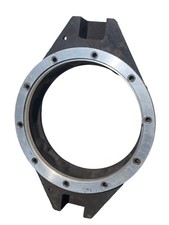
1. The \"AAR\" Raised Casting
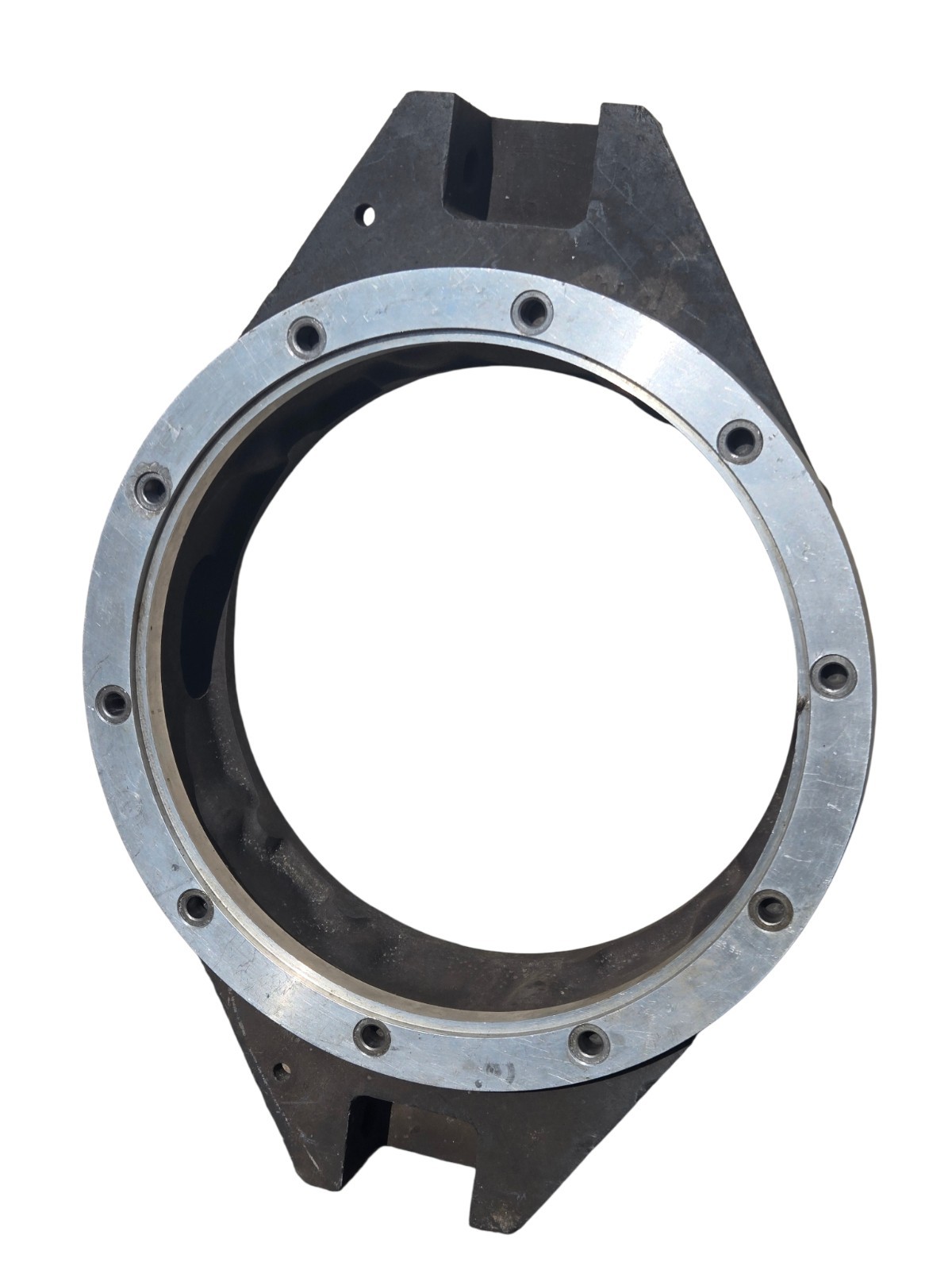
The raised letters AAR stand for All American Racers, the legendary race car constructor founded by Dan Gurney and Carroll Shelby. AAR components are highly prized in the historic motorsport community.
2. The Part Number: 72-1-002
In AAR\'s blueprint classification system, the first two digits signify the model year of the chassis design.
The Car: This part belongs to the legendary 1972 Eagle 7200 IndyCar / USAC Champ Car chassis.
The Legacy: Designed by aerodynamicist Roman Slobodynskyj and built by Phil Remington, the \'72 Eagle is one of the most revolutionary open-wheel cars ever built. Bobby Unser used one to obliterate the Indianapolis qualifying record in 1972 at over 196 mph. By 1973, these cars were so dominant that they made up nearly two-thirds of the Indy 500 starting grid.
3. What the Component Does
On the 1972 Eagle, the engine (typically a turbocharged 4-cylinder Drake-Offenhauser or a Ford V8) was a stressed member—meaning the engine and gearbox acted as the actual rear frame of the car to support the suspension.
This cast component (likely magnesium, given the signature dark gray oxidation pattern) acts as a rear structural bulkhead or adapter plate to mate the engine block directly to a racing transaxle (historically a Hewland DG300 or LG-series gearbox). The large, flat, blocky \"ears\" on the top and bottom are integral mounting points designed to anchor structural chassis stays or suspension geometry pick-up points.
4. The Added Aluminum Ring
The secondary machined aluminum ring bolted to the front face is hand-marked \"3/4 Thick\" with alignment arrows. In vintage racing, teams frequently fabricated custom spacer rings like this to fine-tune the input shaft depth, adjust the wheelbase spacing, or adapt the bulkhead to accommodate different clutch stacks and flywheels.